I first got into the animal community only 16 years ago when I chanced upon Cow, Bunny and Pole as newborns being abandoned on the wet grass beside the road on my morning walk round the playground. I was so ignorant as I knew absolutely nothing about cats, their behaviour nor had I ever even touched a cat before all my life (we only had dogs, rabbits, chicks, ducklings and geese as pets, growing up; no cats because my mother did not like cats at all). I actually thought the mother-cat would come back for them (but at the back of my mind, I knew no mother-cat would leave her newborns out in the open and on the wet grass too). I went one more round on my walk and I said to myself that if they were still there, I would have to pick them up….and do what? I did not know at the time.
One more round, and yes, they were there. Initially all huddled up, but now Cow had separated from the group, out to look for help. All three were newborns, eyes closed. So I rushed back home, got a cardboard box and took them home. I made phonecalls to vet clinics and luckily, I contacted PAWS and their manager taught me what to do.
That’s how my rescue journey started. Three years and many animals later, AnimalCare was born. The purpose of setting up AnimalCare was to help rescuers and caregivers of street animals with the neutering of the animals under their care.
So this leads us to the purpose of this blogpost, what exactly is a “rescuer”?
For this, I would like to share the thoughts of a friend of mine who is a rescuer herself. Here is what she thinks about rescuers and shelters:
I began to disagree with the concept of animal shelters many years ago. Sure, street animals have a tough life: starvation, battling rain/wind/heat, with the possibility of being hunted by humans or other animals. However, they have the mobility, which gives them a chance to fight for their own fate.
When we bring an animal to our home or a shelter, we are controlling and manipulating their lives. Unnecessarily.
Many people don’t understand the word “rescue”. It means we intervene when we see an animal that is in dire need for help – in other words, if we don’t step in, it would DIE!
But that’s not what some “rescuers” do. They see a healthy street dog or cat and they simply cannot leave it alone. They must catch the animal, tie or cage it up, bring it home or to a shelter. Chances are slim for the animal to be rehomed, so more likely than not, it will stay caged till it dies. And if it’s unfortunate enough to be in the hands of irresponsible or even abusive shelter operators, it might get beaten and/or suffer unnecessary injuries/illnesses that bring it to its grave sooner. Or it falls sick and is not given the necessary medical treatment because the shelter has no funds for it. And we hear of many shelters these days crying out for food and funds because they are so full to the brim that they cannot support their animals anymore. There are photos of these poor animals confined in small cages, literally crying out for help. Some shelter animals have to starve because of this, but if they had been left out on the street, they have the mobility to look for food and fend for themselves. They are not left at the mercy of irresponsible shelter operators. So where is the logic with that? Wouldn’t the animal have been better off if left out on the street?
Do you agree with the opinions above? I must say that personally I agree with many of her points. Another rescuer-friend of mine whom I have the highest respect for also said the same thing, “Shelters are not the answer to reducing the stray population. CNRM is.” It’s true. This does not mean that shelters are not doing any good. On the contrary, they are providing a safe place for un-rehomable animals, but I must add that shelter operators have to ensure that the animal they take in must be better off at their shelter than being out on the street. This means that the animal must have the very basic needs of nutritional food, shelter, sanitation and veterinary care when ill. If, for example, when a shelter animal is sick and the operator does not bother giving the poor animal any veterinary treatment, then one questions whether the animal might have been better off being left on the street. Also, sanitation is very important in shelters as the animals are all confined and sometimes in crowded places where diseases can spread and tick/flea infestation can happen.
A friend of mine who manages a well-known shelter always says that the shelter is the very, very last resort for ANY animal. Rehome, if you can, and to a good home, please. Or neuter and return to colony, then manage the colony as best you can. Do not surrender any animal to the shelter UNLESS you really have no choice. The shelter is the very last resort.
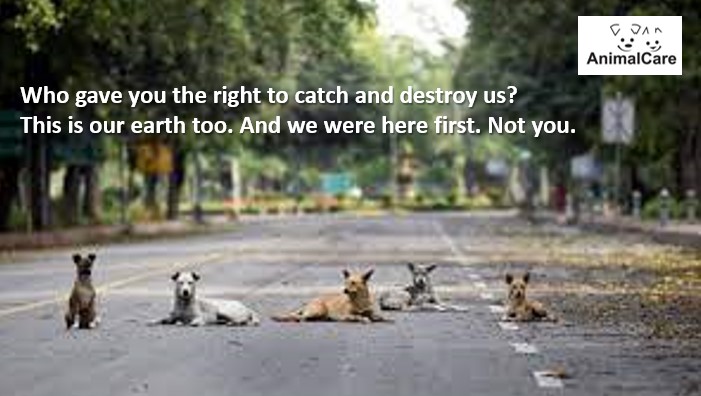
The only thing stopping us from returning to colony confidently is the council by-laws which classifies a free roaming animal as a “kacau ganggu” that can be captured and destroyed. And of course, cruel humans who think they own the earth and will do horrible things to get rid of street animals.
This why many caregivers who wish they could let the animals live on the street where they may be happier, often end up “rescuing” the animal from potential dangers. This is especially true of abandoned newborn animals and animals in dangerous animal-unfriendly areas.
I’ve never called myself a rescuer. A caregiver, yes, but not a rescuer. I think it takes a lot of skills to qualify oneself to become a rescuer. But by my friend’s definitions above, if rescuing means that if we don’t, the animal will die, then yes, I have done my fair share of rescues in the past 16 years. Apart from Cow, Bunny and Pole, the newborns were Selphie’s 9 newborn puppies, Peanut, Butter & Jelly, The Sunnies (Rex, Fox & Honeybear), The Blueys (Baloo & Baggy). Then there were the kittens like Tiger (from the field huddled against his dead mum), Indy (from the drain, sick with various infections), Wii and Vixey (from the rubbish heap), Raven, Mickey, Dolly, Holly, Ivan, Justin, etc. And of course there were the ones who came by themselves to ask for help too, like Tabs, Ginger, Daffodil and Rosie, Vincent, Willy, Heidi, Zurik, Timmy, Bosco and the list goes on. Daffodil’s family, Vincent, Heidi, Zurik were neutered and returned as CNRM-cats, but when they got sick, we had to confine them inside for treatment. And of course, there’s Minnie who brought Smurfy to ask for help during the MCO. Minnie was pregnant, so that’s how we have the whole family here now. But why weren’t they neutered and returned to colony?
I would have wanted Minnie to be neutered and returned to colony as a CNRM-cat and there is only one reason why this cannot be done. There are cat-haters in the neighbourhood. The type who would call the council the moment they see a cat free roaming in the area. No amount of reasoning can convince these humans otherwise.
My neighbourhood simply isn’t suitable for CNRM because of these intolerant cat-haters.
And this brings me to the next topic…in the next post.